
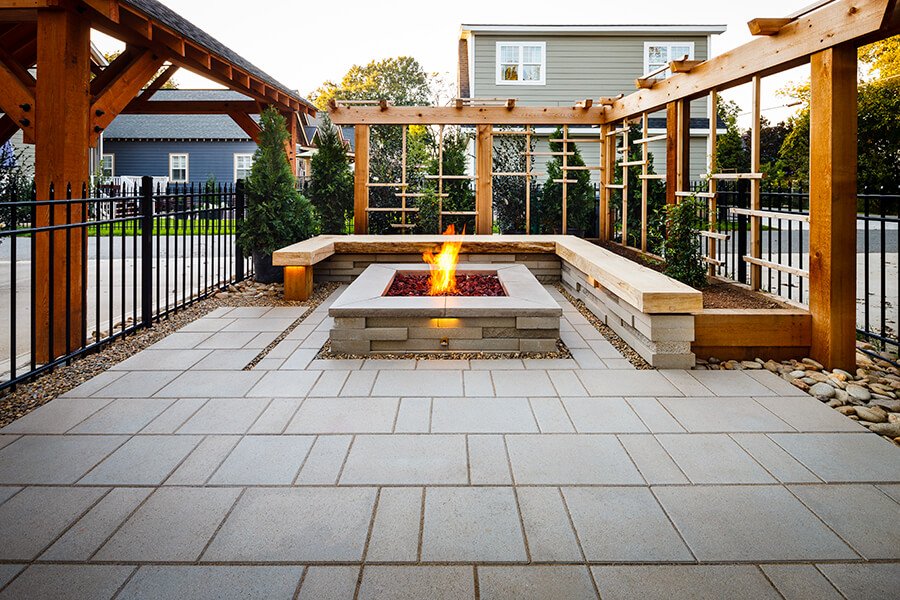
A bluestone patio is a classic choice for homes on Long Island and across New York. It creates a traditional look and is known for its ability to hold up under harsh weather conditions, making it a versatile choice for many types of landscaping projects. Whether you’re using bluestone for patios or walkways, proper installation is key to making sure it lasts for years to come.
Follow along as This Old House walks us through how to lay a bluestone patio, including proper base preparation and stone setting.
How to Make a Base for a Bluestone Patio
Making a proper base for a bluestone patio is crucial. If you try to lay the bluestone pavers directly on the loam, the patio won’t drain properly. Instead, put the pack material down. In the video, they use a mixture of ¾ inch stone and stone dust. Rake a 3–4-inch layer of pack material over the entire patio area, then tap it down. After that, add another 3–4 inches of pack material, rake it over the area, and tap it down again. Repeat this process as necessary to reach the proper grade, ensuring that the base has a slight pitch to it to help with drainage.
Should Bluestone Pavers Be Set in Concrete?
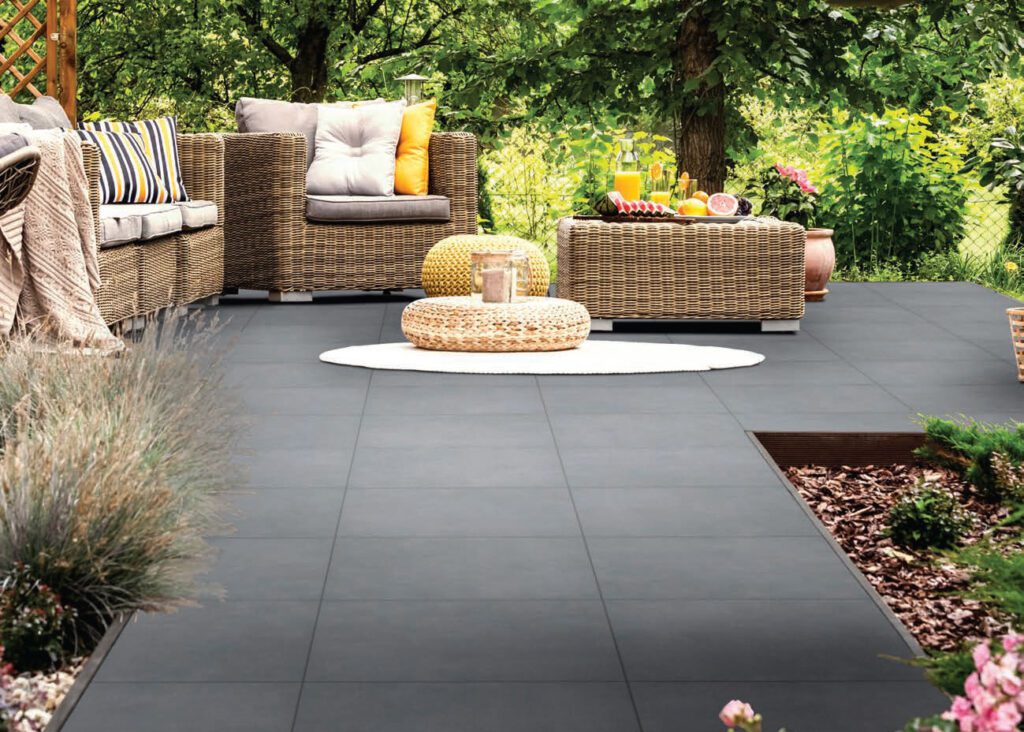
In the video, the bluestone slabs are not set in concrete. Instead, the crew uses a setting bed made of stone dust, Portland cement, and a little water. That creates a semi-rigid base that supports the weight of the bluestone while staying flexible enough to reduce the likelihood of cracking and damage.
Spread the mixture over the compacted pack material. Always go thicker than the planned final thickness to account for settling.
Install the Bluestone Pavers or Slabs

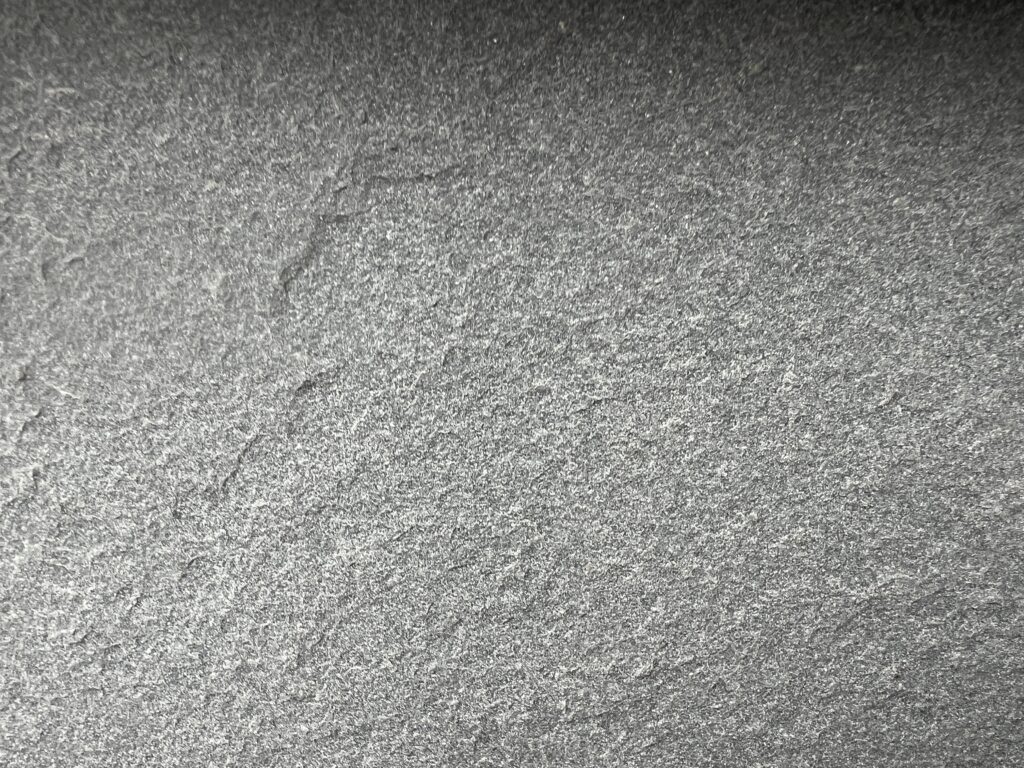
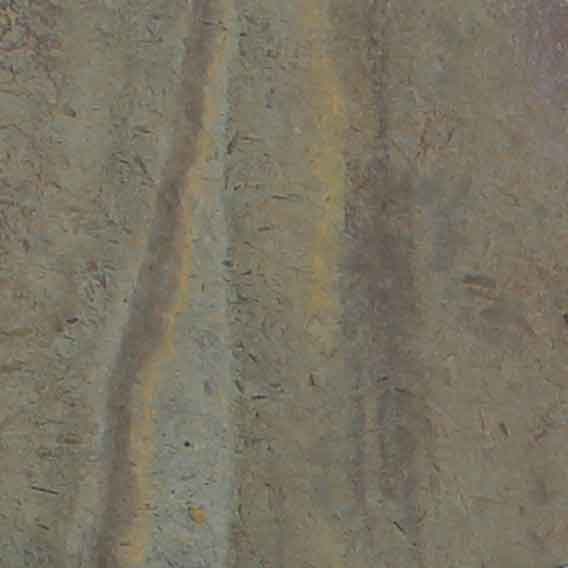
To install bluestone pavers or slabs, start with a cornerstone. Set the stone onto the setting base and use a rubber mallet to tap it into place, making sure it’s properly aligned. Repeat the process, creating rows as you go. If you’re using different sizes of bluestone pavers or slabs, set the large ones first and then the smaller ones. Make sure to check the slope periodically to ensure proper drainage. You can use metal ground stakes to hold the bluestone in place—just make sure to remove them after all stones have been tapped down.
Cut vs. Irregular Bluestone
Many manufacturers pre-cut bluestone pieces. This makes them uniform in size and thickness, which makes installation easier. However, irregular bluestone—also called stand-up bluestone—can also be used to create a one-of-a-kind, more natural-looking patio. Uncut bluestone like this will likely need to be shaped using a masonry wet saw. Make sure to always wear a mask and goggles to protect yourself from dust.
Fill in the Joints Between Bluestone Slabs
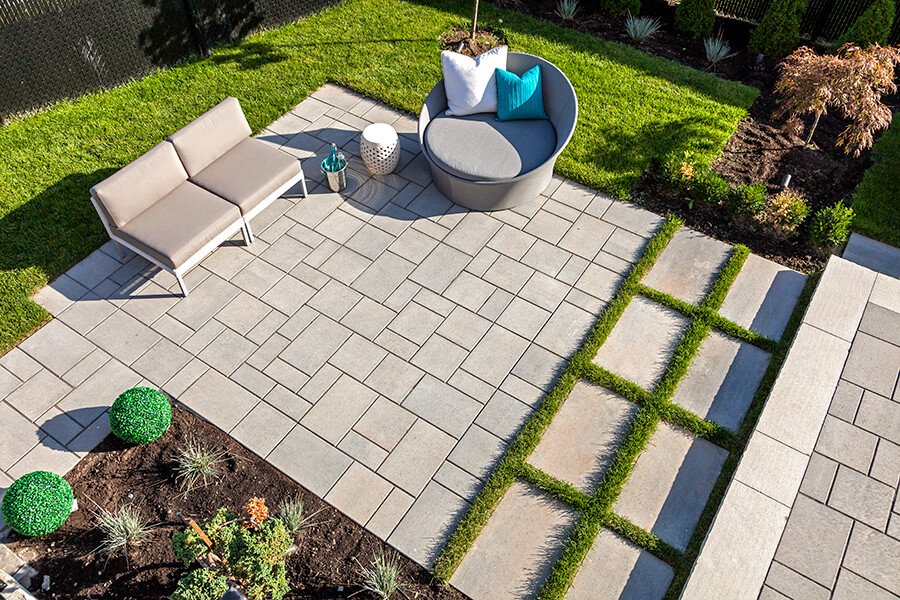
The joints between each bluestone slab need to be filled in order to stop weeds from growing and maintain stability. You can use stone dust, polymer sand, and even crushed stone, depending on the patio design. Sweep the medium into all joints, filling them completely. Then use a garden hose to lightly mist the patio. Repeat the light misting after five minutes.
Does a Bluestone Patio Need to Be Sealed?
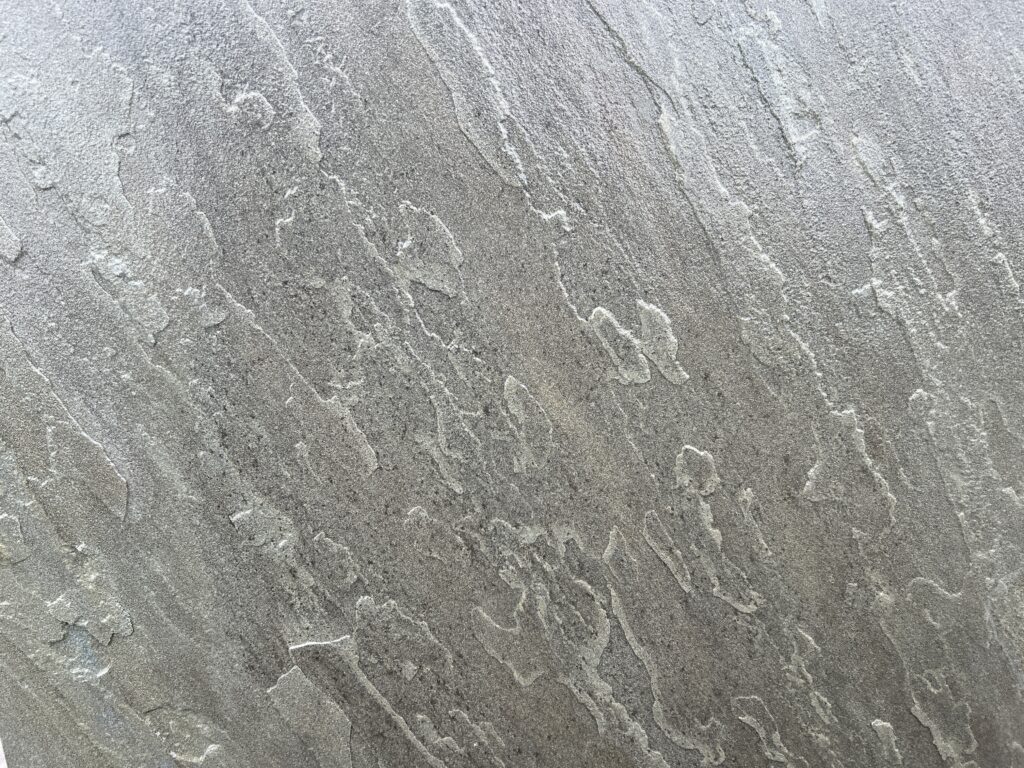
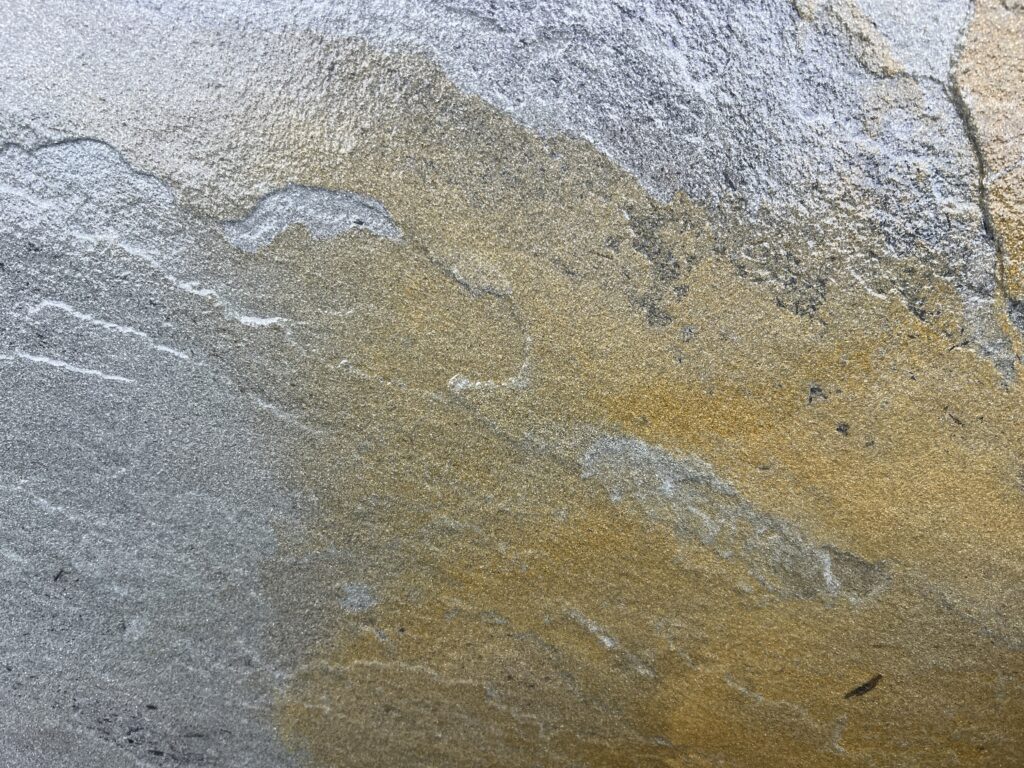
No, a bluestone patio does not necessarily need to be sealed. However, sealing will help guard against stains and weathering. It can also make the stone’s color pop. If you do seal the patio, use a penetrating sealer that’s made specifically for use with natural stone.
Buy Bluestone Patio Materials on Long Island
Astro Masonry has a wide selection of bluestone materials for your next patio project. Visit our showroom in Deer Park, New York, to see all of our options. You can also request a quote online or contact us to get started!